What is DnD
This Website
This website is a complete guide to understanding, playing, and enjoying Dungeons & Dragons—whether you’ve never touched a die before or you’re already deep into your first campaign. Its goal isn’t just to teach rules, but to help you understand why DnD works the way it does and how to get the most fun out of it.
Here you’ll find explanations on how to play the game, from the basics of dice rolling and actions to more complex systems like combat, magic, and encounters. There are sections dedicated to Dungeon Masters, covering how to create a story, build a world, design encounters, balance difficulty, and involve players in meaningful ways. You’ll also find detailed guidance for players, including how to create a character, roleplay them, engage with the story, and work with the DM to create a shared experience.
Beyond gameplay, this website also explores homebrew (custom rules and content), how adventuring works, how to use resources effectively, where to find rules easily, and how to learn from or enjoy DnD-related entertainment. That includes recommendations for podcasts, shows, books, and online tools that help you learn, get inspired, or just have fun with DnD even when you’re not playing. In short, this site is here to help you play, understand, and love DnD.
DnD overview
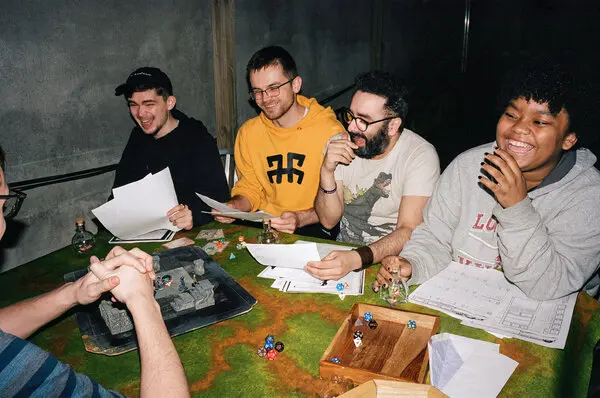
Dungeons & Dragons (DnD) is a tabletop role-playing game (TTRPG). Instead of a board with a fixed path or a screen telling you what to do, DnD is driven by imagination, conversation, and choice. One person takes on the role of the Dungeon Master (DM), while the others play as characters within the world the DM presents.
The DM creates the setting, the situations, the people, and the challenges. They provide the framework—the world and the rules it follows—but they do not control the story’s outcome. The players create characters with personalities, goals, abilities, and flaws, and their choices are what actually create the story. The DM reacts to those choices, adapts the world, and keeps the game moving forward.
DnD is a collaborative experience. It’s not about players versus the DM, and it’s not about “winning” in a traditional sense. Everyone at the table is working together to create something memorable: tense moments, emotional payoffs, hilarious chaos, and unexpected outcomes. Communication is crucial—talking about expectations, boundaries, enjoyment, and problems ensures that everyone, including the DM, is having fun. When it works well, DnD becomes a shared story that no single person could have created alone.
What do you need to play
One of the most surprising things about DnD is how little you actually need to play.
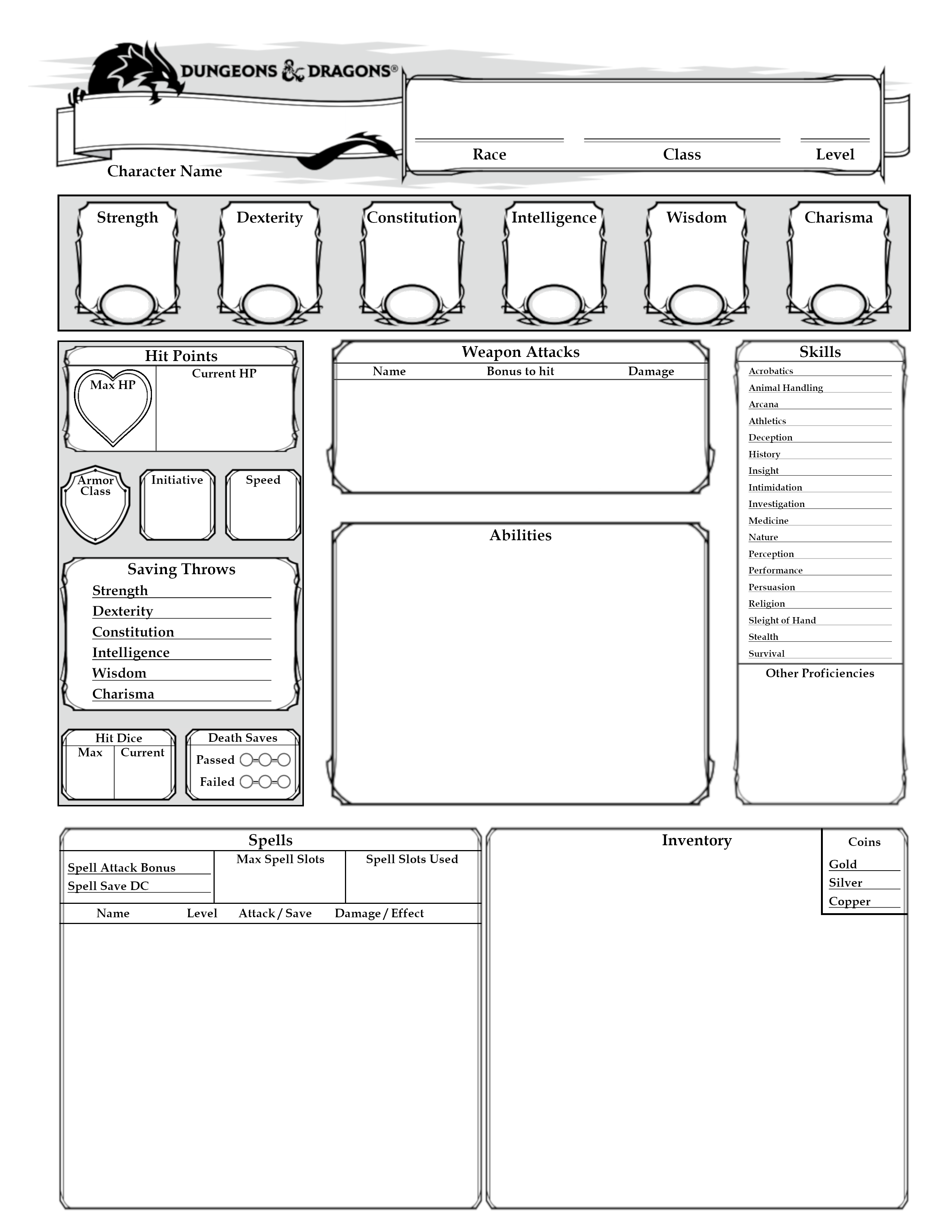
At its core, you need dice and character sheets. That’s it. Dice are used to determine outcomes, and character sheets track who your character is and what they can do. Everything else is optional.
A Dungeon Master is usually needed—this is the person who runs the game, presents the world, plays non-player characters (NPCs), and adjudicates rules. You don’t need miniatures, maps, or a physical board, though some groups enjoy using them to visualize combat or locations. These are entirely optional and best added only if your group enjoys that style of play.
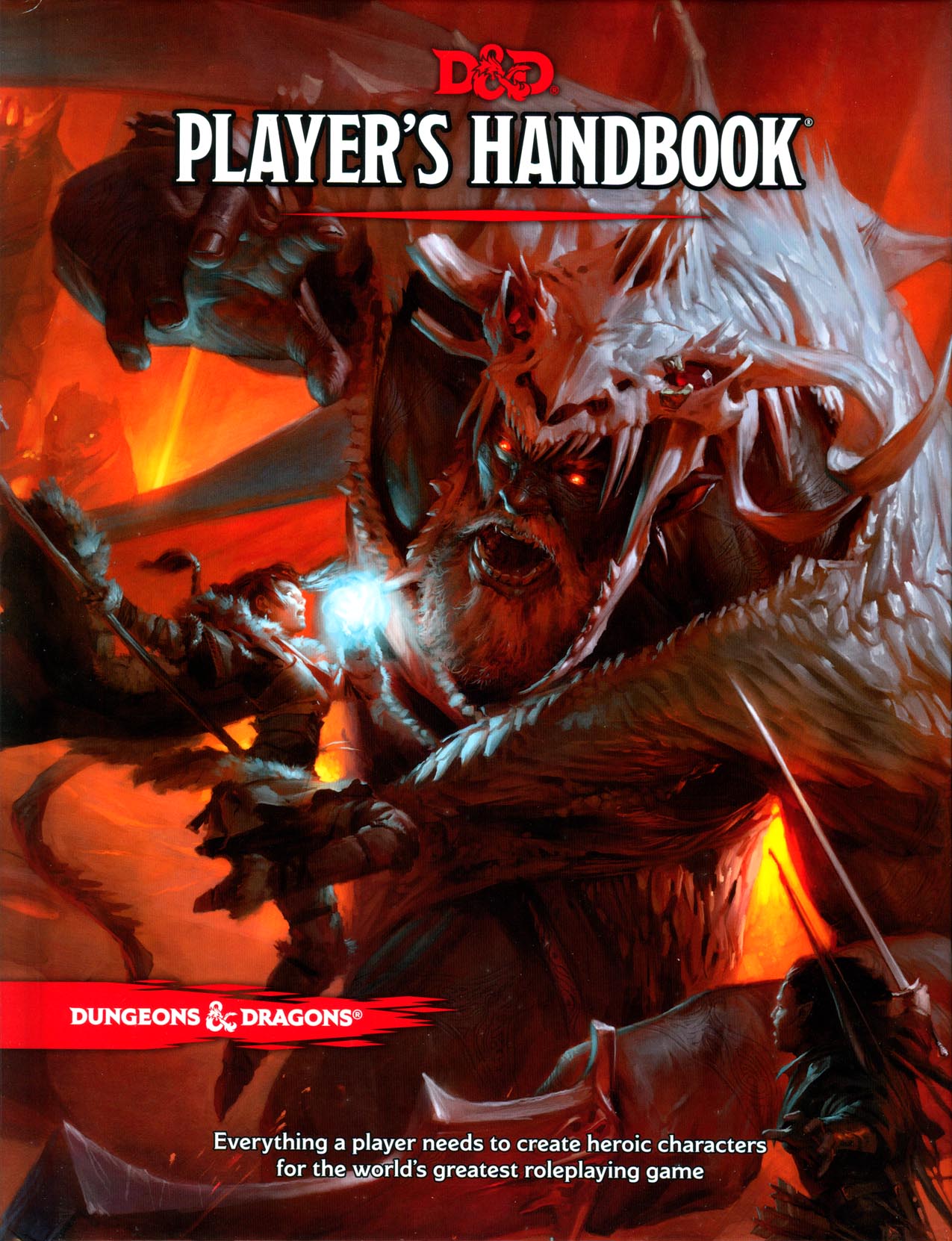
The official handbooks (like the Player’s Handbook and Dungeon Master’s Guide) are helpful, but they are not mandatory. Many groups use online websites and tools instead. In fact, you can play DnD using nothing but a computer, online dice rollers, digital character sheets, and voice chat. DnD is flexible by design—it adapts to the resources you have, not the other way around.
Rolling Dice
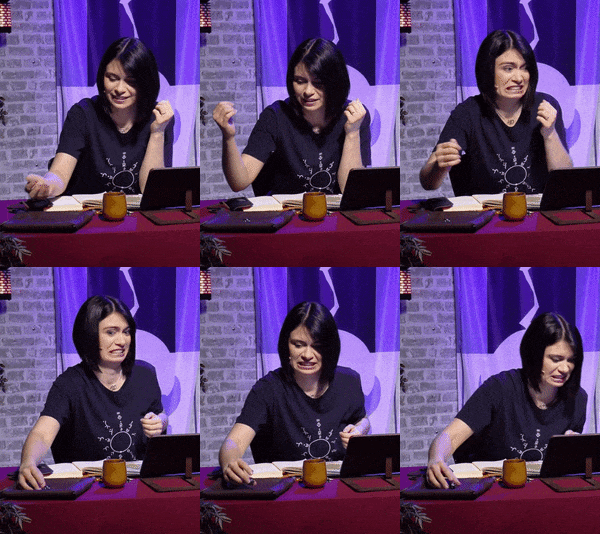
Dice rolling is one of the defining features of Dungeons & Dragons. It introduces uncertainty, tension, and excitement into the game. No matter how skilled or clever your character is, the dice add an element of chance that makes every decision feel meaningful.
DnD primarily uses six types of dice, identified by how many sides they have:
d4 (four-sided die): Often used for small amounts of damage, minor effects, or limited resources.
d6 (six-sided die): Commonly used for weapon damage, basic effects, and some class abilities.
d8 (eight-sided die): Frequently used for stronger weapons, abilities, and some spells.
d10 (ten-sided die): Used for higher-damage effects, certain class features, and percentile rolls (when paired).
d12 (twelve-sided die): Less common, but often associated with heavy weapons or very powerful effects.
d20 (twenty-sided die): The most important die in the game. Almost every action—attacking, checking skills, resisting effects—starts with a d20 roll.
Most of the time, you roll a d20, add a modifier from your character sheet, and compare the result to a Difficulty Class (DC) or an enemy’s defense. This single roll determines success or failure, turning decisions into moments of suspense. Dice don’t replace roleplay or creativity—they support it by giving the world unpredictability and weight.